FREE SHIPPING ON ORDERS OVER $150

glutathione and histamine intolerance Mast cells are hypersensitive immune cells that release other inflammatory mediators—often in response to oxidative stress, environmental toxins, and immune imbalance. Many patients with MCAS have low levels of Mast Cell Activation Syndrome (MCAS):

$27.33

Quantity
- +
Description

[DOI] [PMC free article] [PubMed] [Google Scholar] 120.Pichard V., Guilbaud M., Devaux M., Jaulin N., Journou M., Cospolite M., Garcia A., Ferry N., Michalak-provost S., Gernoux G., et al

glutathione and histamine intolerance Mast cells are hypersensitive immune cells that release other inflammatory mediatorsoften in response to oxidative stress, environmental toxins, and immune imbalance. Many patients with MCAS have low levels of Mast Cell Activation Syndrome (MCAS):

Uniprot: the universal protein knowledgebase in 2023
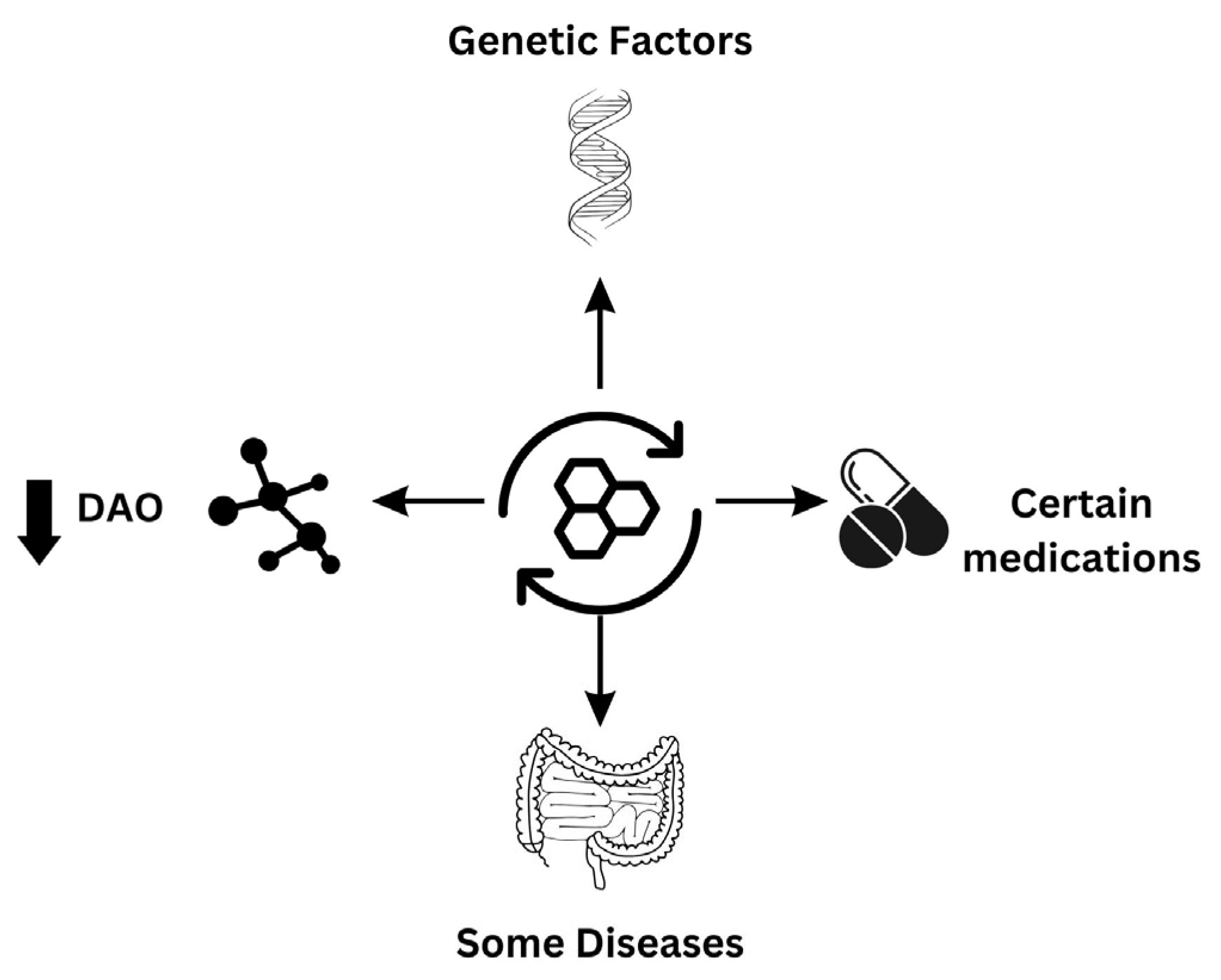
glutathione and histamine intolerance Mast cells are hypersensitive immune cells that release other inflammatory mediatorsoften in response to oxidative stress, environmental toxins, and immune imbalance. Many patients with MCAS have low levels of Mast Cell Activation Syndrome (MCAS):

Mechanism of action comparison: amylin vs triple agonism Understanding the mechanistic differences between cagrilintide and retatrutide is not just academic

glutathione and histamine intolerance Mast cells are hypersensitive immune cells that release other inflammatory mediatorsoften in response to oxidative stress, environmental toxins, and immune imbalance. Many patients with MCAS have low levels of Mast Cell Activation Syndrome (MCAS):

Adenosine in fibrosis

glutathione and histamine intolerance Mast cells are hypersensitive immune cells that release other inflammatory mediatorsoften in response to oxidative stress, environmental toxins, and immune imbalance. Many patients with MCAS have low levels of Mast Cell Activation Syndrome (MCAS):

You may also like

GHK-CU

US$ 22.46

4.0 (6 reviews)

GHK-Cu 50mg

US$ 23.84

4.3 (25 reviews)

recommand products