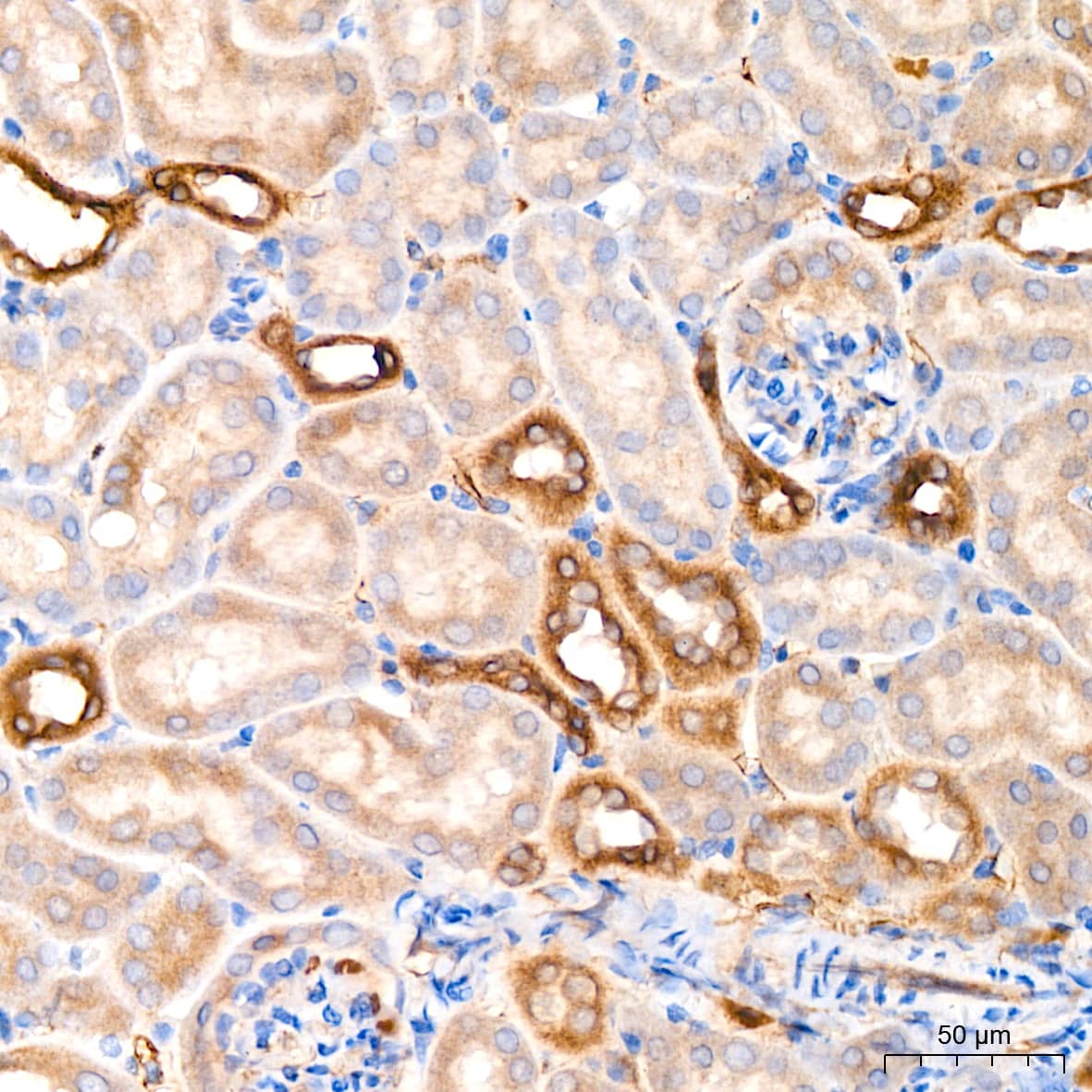
microsomal glutathione transferase transferases: substrates, inihibitors and pro-drugs in cancer and neurodegenerative diseases Validated Applications Microsomal Glutathione Transferase 1 Protects
Description
Conventional anticancer therapies, particularly synthetic chemotherapeutics and monoclonal antibodies, often involve high manufacturing costs, complex purification steps, and sophisticated cold-chain requirements, which collectively limit accessibility in low- and middle-income countries ( Moreover, green synthesis of nanoparticles using plant extracts eliminates the need for expensive toxic chemicals and energy-intensive procedures, making it a sustainable and economically viable alternative ( Economic evaluations have also highlighted that natural product-based interventions could lower the overall burden of cancer care by reducing side effects, minimizing hospitalizations, and improving patient compliance ( 7.2 Phytochemical based nanomedicine for treatment of cancer resistance: advantages, challenges and alternative approaches 7.2.1 Advantage associated with phytochemical based nanomedicine in cancer treatment Improved pharmacokinetics and tumor targeting: NP delivery markedly improves solubility, circulation time, stability and tumor accumulation via the EPR effect, increasing phytochemical bioavailability and therapeutic index

Reconstituted solutions are typically held at 28C and used within the documented stability window
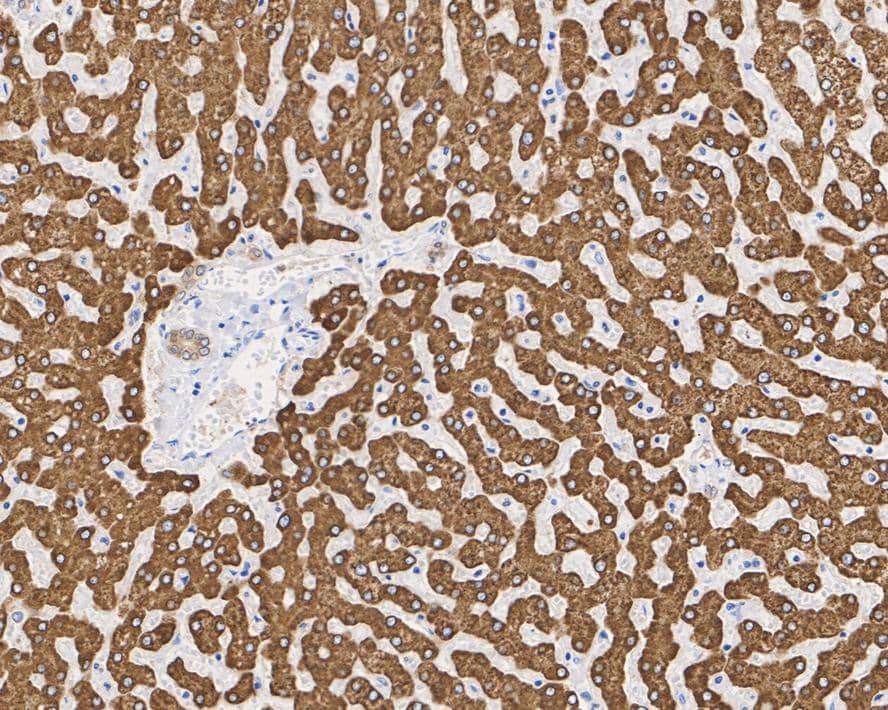
Metabolic syndrome and viral pathogenesis: lessons from influenza and coronaviruses

I just mentioned that because thats a common one out there