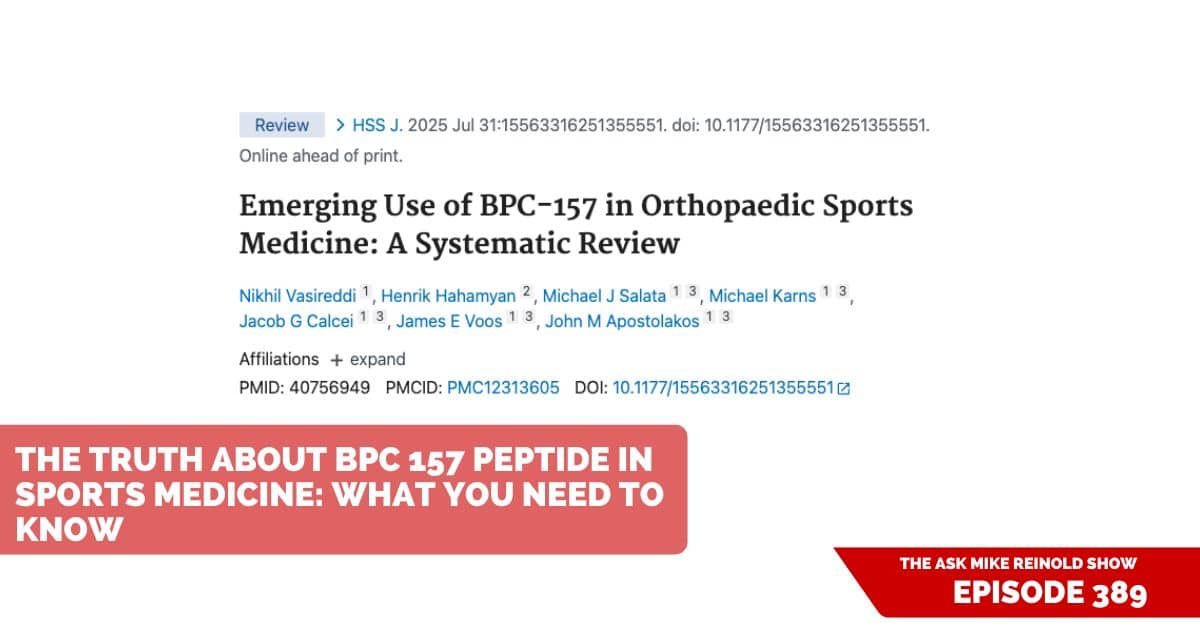
bpc 157 user reviews The Truth About Peptide in Sports Medicine: What You Need to Know BPC-157 & The Gut-Brain Axis:
Description
Laboratory observations have documented several considerations: Common Research Observations: Injection site reactions in animal models Temporary water retention in test subjects Mild fatigue patterns during initial administration Appetite changes in research subjects Monitoring Requirements: Regular vital sign assessments Blood glucose monitoring Hormonal panel evaluations Liver function assessments Risk Management in Research Settings The cjc1295/ipamorelin side effects profile within tesa blends requires careful monitoring throughout research protocols: Safety Checkpoints: Pre-research health assessments Weekly monitoring during active phases Monthly comprehensive evaluations Post-research follow-up assessments Documentation Requirements: Detailed adverse event logging Dosage adjustment records Subject response tracking Protocol deviation documentation Researchers should maintain comprehensive safety protocols and consider consulting resources on peptide research best practices for optimal study design

Pass/Fail per US Pharmacopeia limits

Stupnisek et al., 2015) stabilize gastric pentadecapeptide BPC 157, which is effective in wound healing (Figures 16) (Seiwerth et al., 1997

General guideline: Cattle & Horses: 20 ml per animal for 45 days


