FREE SHIPPING ON ORDERS OVER $150

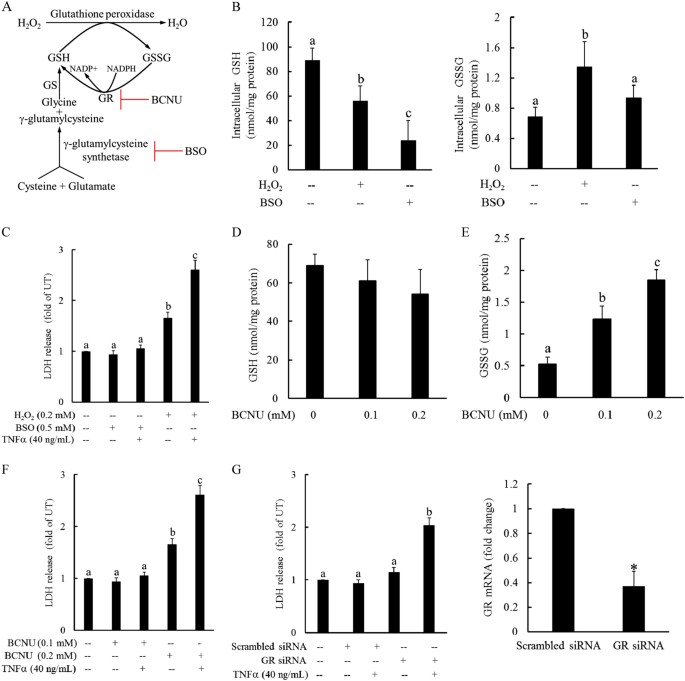
glutathione hepatotoxicity disulfide sensitizes hepatocytes to TNFα-mediated cytotoxicity via IKK-β S-glutathionylation: a potential mechanism underlying non-alcoholic fatty liver disease Drug-Related Hepatotoxicity | New England

$23.89

Quantity
- +
Description

Pros vs Cons Pros May support antioxidant status and detoxification

glutathione hepatotoxicity disulfide sensitizes hepatocytes to TNF-mediated cytotoxicity via IKK- S-glutathionylation: a potential mechanism underlying non-alcoholic fatty liver disease Drug-Related Hepatotoxicity | New England

HOW TO USE LIPOSOMAL GLUTATHIONE, 450 MG

glutathione hepatotoxicity disulfide sensitizes hepatocytes to TNF-mediated cytotoxicity via IKK- S-glutathionylation: a potential mechanism underlying non-alcoholic fatty liver disease Drug-Related Hepatotoxicity | New England

Key Takeaway: A simple rule for layering is to go from the thinnest to the thickest consistency

glutathione hepatotoxicity disulfide sensitizes hepatocytes to TNF-mediated cytotoxicity via IKK- S-glutathionylation: a potential mechanism underlying non-alcoholic fatty liver disease Drug-Related Hepatotoxicity | New England

One of the most well-established properties of GSH is its role in maintaining redox homeostasis, but it is also emerging as a mediator of redox signaling through mechanisms such as protein S-glutathionylation and/or GSNO-mediated protein S-nitrosylation (Zhang and Forman, 2012)

glutathione hepatotoxicity disulfide sensitizes hepatocytes to TNF-mediated cytotoxicity via IKK- S-glutathionylation: a potential mechanism underlying non-alcoholic fatty liver disease Drug-Related Hepatotoxicity | New England

You may also like

recommand products

SOME BY MI

US$ 20.28

Min. order: 1 piece

4.9 (20 reviews)

Sold : Login>>